If you want a second home that feels like a true escape without asking you to disappear off the map, Summerland deserves a closer look. This small coastal community offers the kind of easygoing beach-town rhythm many buyers want, along with ocean views, walkable local spots, and quick access along Highway 101. If you are comparing Santa Barbara County options for a weekend retreat or part-time residence, this guide will help you understand why Summerland stands out. Let’s dive in.
Summerland offers a rare coastal scale
One of Summerland’s biggest draws is its size. The community had a 2020 Census population of 1,222, and the Summerland Citizens' Association describes it as Santa Barbara County’s only entirely unincorporated coastal community. That small scale helps create a quieter, more private feel than many larger beach destinations.
Location also plays a major role in the appeal. County planning documents place Summerland between Santa Barbara and Carpinteria, with Montecito to the north and the Pacific Ocean to the south. According to county coastal planning materials, the community spans about 907 acres, and most of it lies within the Coastal Zone.
For second-home buyers, that combination matters. You get a coastal setting with a defined village identity, but you are still close to the broader amenities of the South Coast. It can feel tucked away without feeling remote.
The town feels like a getaway
Summerland’s atmosphere is one of its strongest selling points. Visit Santa Barbara describes it as a low-key, slow-paced beach town with sweeping ocean and Channel Islands views, plus shopping, antiquing, wine tasting, and casual dining. That description matches what many second-home buyers are looking for: somewhere you can arrive, exhale, and settle into a different pace.
The village is also easy to enjoy without a complicated plan. Visit Santa Barbara notes that the main drag is walkable, which adds to the appeal for buyers who want simple, pleasant routines during weekends or longer stays. You can grab coffee, browse local shops, and head toward the coast without spending the day in the car.
An LA Times travel feature adds another useful layer. It highlights how easy Summerland is to reach off Highway 101 while still feeling like a low-key getaway. For many second-home buyers, that easy access is not a small detail. It is part of what makes regular use realistic.
Beach access adds everyday lifestyle value
A second home often works best when the lifestyle is easy to step into. Summerland delivers that through its coastal access and outdoor amenities.
Visit Santa Barbara notes that Summerland Beach is accessed from Lookout Park, where you will find barbecue pits, picnic tables, a volleyball court, and a children’s playground. KCLU also reported that the county-owned park received recreational upgrades in 2020, reinforcing its value as a well-used local coastal amenity.
Nearby Loon Point adds another option for time outdoors, with tidepools and a surf break noted by Visit Santa Barbara. The same source also says Summerland is the only place on the Santa Barbara South Coast where beach horseback riding is offered. If your goal is to own in a place that immediately feels recreational and memorable, that is part of the draw.
County recreation planning documents add more context. They state that most residences are north of Highway 101, while the main park and beach access sit south of it, and the plan area includes more than 6 miles of trails. As outlined in the county recreation planning framework, that geography helps support the bluff-top, ocean-view setting many buyers picture when they think about a coastal retreat.
Walkability supports low-maintenance living
Many second-home buyers are not looking for a long list of obligations. They want a home that feels enjoyable, manageable, and easy to lock up when they leave. Summerland’s village layout supports that kind of ownership experience.
The local mix of shops and dining helps. Visit Santa Barbara highlights places like Summerland Beach Café, The Nugget Bar & Grill, Tinker's Burgers, Red Kettle Coffee, and Field + Fort and Feast. The same source also points to Summerland’s antique and design-oriented retail scene, which adds personality without making the town feel crowded or overbuilt.
That balance is important. Summerland is active enough to feel lived-in and enjoyable, but compact enough to stay simple. For buyers who want to slip into weekend mode quickly, that can be a major advantage.
Homes range from cottages to view estates
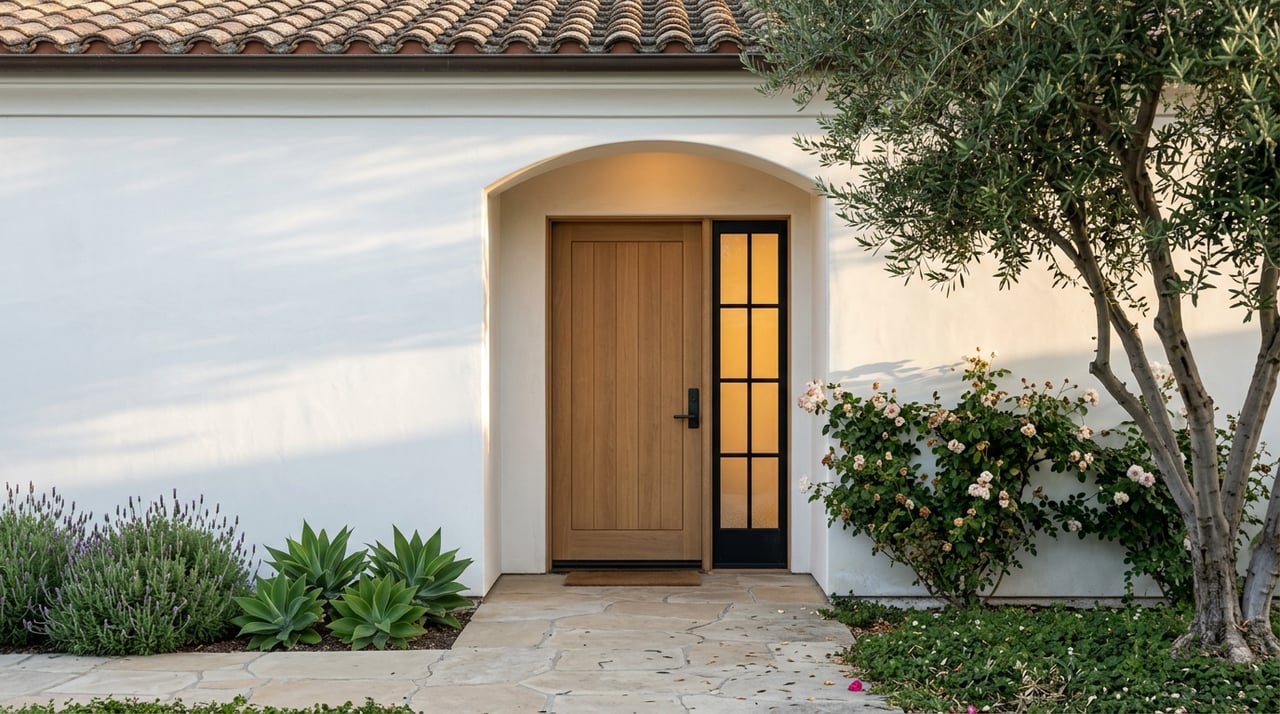
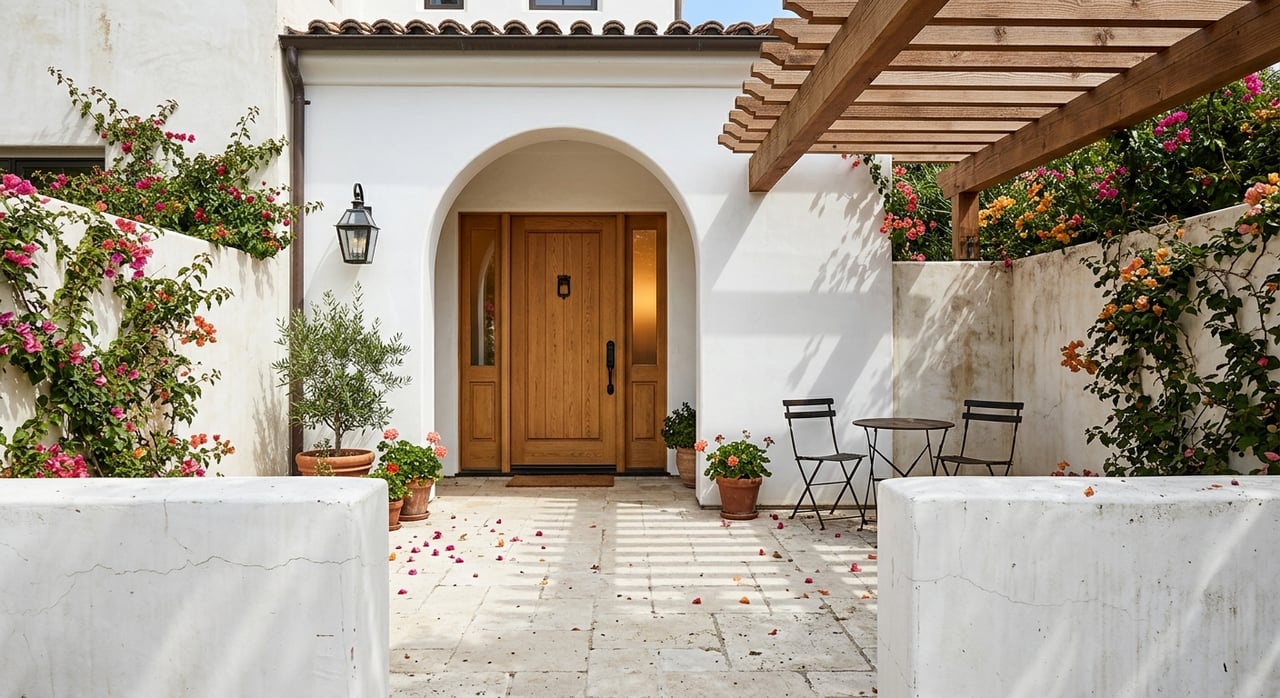
The housing stock is another reason Summerland catches the eye of second-home buyers. While every property is different, local real estate commentary consistently describes a mix of cottage-scale homes, bungalows, vintage houses, ranch-style or mid-century influences, Spanish and Mediterranean details, and larger hillside or ocean-view estates.
That variety gives buyers multiple ways to enter the market depending on their goals. Some may want a smaller home that is easier to maintain and close to the village. Others may be drawn to larger parcels or elevated properties with wider views and more privacy.
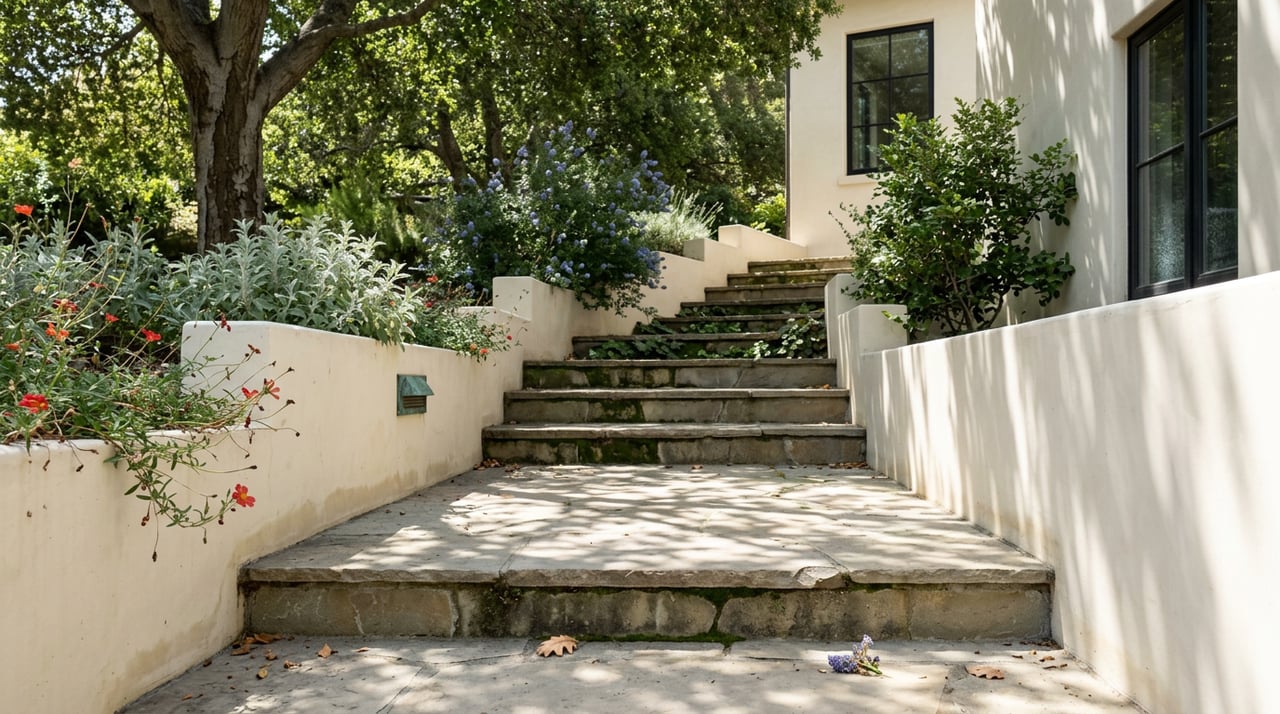
Summerland’s historic lot pattern helps explain why the community feels distinctive. According to the Summerland Community Plan, the area was first subdivided in 1888 as a spiritualist community, with many lots laid out at 25 by 50 feet on steep land north of today’s Highway 101. Those small lots still influence development today because size and slope can make building more complex.
Current county code also points to a broad range of residential lot standards within the Summerland plan area. The county zoning standards include residential lots ranging from 7,000 to 30,000 square feet in the standard zone table, along with a Summerland-specific 10,000-square-foot minimum net lot area rule for certain two-family dwellings in the 10-R-2 zone. In practical terms, that helps explain why some properties feel compact and walkable while others sit on larger view parcels.
Character matters in Summerland
Second-home buyers are often drawn to places that feel consistent and lasting. Summerland benefits from a planning framework that emphasizes preserving scenic, rural, architectural, and historic character.
That does not mean change never happens. It does mean there is a clear local framework for how growth and design are reviewed. The community plan and related county guidance emphasize residential design review and character preservation, which can help support the village feel that attracts buyers in the first place.
For someone purchasing a second home, that can be reassuring. The setting is not just about what exists today, but also about how the area is guided over time.
Due diligence is especially important here
Summerland’s charm comes with practical considerations, especially for bluff, slope, or view properties. If you are exploring a purchase here, site-specific due diligence matters.
County planning materials make it clear that coastal permitting and design review can play a meaningful role in what is possible on a given parcel. The same is true when topography, lot size, access, and development constraints are part of the picture. That is especially relevant in a community where many lots were created long ago and where scenic character is a planning priority.
For buyers, that means it is smart to evaluate more than the house itself. You will want a clear understanding of the property’s site conditions, any permitting considerations, and how future renovation or expansion goals could be affected.
Why second-home buyers keep coming back to Summerland
At its core, Summerland appeals to second-home buyers because it combines privacy, simplicity, and coastal lifestyle in one small package. It is compact enough to feel manageable, scenic enough to feel special, and active enough to enjoy right away. You can spend the morning at the beach, the afternoon walking the village, and the evening taking in ocean air without needing a packed itinerary.
It also sits in a very appealing stretch of Santa Barbara County. You are between larger destinations, yet the community keeps its own identity. For buyers who want a retreat with personality, not just a property with a view, that can make a real difference.
If you are considering a second home in Summerland, working with a local team that understands the area’s lot patterns, planning context, and lifestyle appeal can help you make a more confident decision. When you are ready to explore opportunities on the Santa Barbara South Coast, connect with David Kim for thoughtful, local guidance.
FAQs
Why does Summerland appeal to second-home buyers in Santa Barbara County?
- Summerland appeals to many second-home buyers because it offers a small coastal setting, walkable local amenities, beach access, ocean views, and a low-key atmosphere that feels like a getaway without being far from Santa Barbara, Montecito, or Carpinteria.
What is Summerland like for part-time living?
- Summerland is well suited to part-time living if you value a compact village setting with cafés, shops, beach access, and outdoor recreation that can be enjoyed without a complicated schedule or long daily drives.
What types of homes can you find in Summerland?
- Buyers may find a mix of cottages, bungalows, vintage homes, ranch or mid-century influenced properties, homes with Spanish or Mediterranean details, and some larger hillside or ocean-view estates.
Are there special property considerations when buying in Summerland?
- Yes. Depending on the property, buyers should pay close attention to coastal permitting, design review, lot size, slope, bluff conditions, and other site-specific factors that can affect renovation, expansion, or long-term use.
Is Summerland walkable for second-home owners?
- Summerland has a walkable village core, and Visit Santa Barbara notes that its main drag is easily walkable, which can be especially appealing if you want a second home that supports easy, low-maintenance weekends.
Where is Summerland located on the Santa Barbara South Coast?
- County planning documents place Summerland between Santa Barbara and Carpinteria, with Montecito to the north and the Pacific Ocean to the south.