Wondering why two homes in San Roque can feel completely different, even when they sit just a few blocks apart? That is one of the most important things to understand before you buy here. San Roque is not a one-style neighborhood, and the age, layout, and architectural details of a home can shape everything from daily livability to future update plans. If you know what to look for, you can shop with more confidence and fewer surprises. Let’s dive in.
Why San Roque Feels Distinct
San Roque did not grow from a rigid street grid. According to the City of Santa Barbara’s historic context and survey materials, the neighborhood developed from former agricultural land after Stephen Rutherford bought 123 acres in 1917, with residential development starting in the mid-1920s and continuing through the 1930s, followed by postwar infill.
A big part of San Roque’s appeal is its layout. The neighborhood was planned with curving streets radiating from Argonne Circle, reflecting City Beautiful planning ideas. It was also marketed as a park-like subdivision with broad winding roads, trees, and views, which means the setting matters almost as much as the house itself.
For you as a buyer, that means curb appeal in San Roque is not just about finishes or square footage. It is also about how the home sits on its lot, how the street feels, and how the neighborhood’s original planning still shapes the experience of living there.
San Roque Home Styles You’ll See
San Roque includes several home styles, but a few show up again and again. The main ones buyers are most likely to encounter are English Vernacular or Tudor cottages, Craftsman homes, Spanish Colonial Revival and Italian Mediterranean homes, plus Minimal Traditional and early Ranch properties.
Style labels can be helpful, but they only tell part of the story. In San Roque, the home’s era and the quality of any later changes often matter just as much as the architectural name in the listing.
English Vernacular And Tudor Cottages
Rutherford Park became especially known for English Vernacular and Tudor cottage homes. The City describes these houses as one- to two-story homes with steep gables, stucco or masonry walls, half-timbering, and slate, composite, or wood-shingle roofs with dormers.
These homes often draw buyers in with storybook charm and distinctive street presence. At the same time, the rooflines and exterior detailing can be more maintenance-sensitive than simpler postwar homes. If you are considering one, it is smart to pay close attention to the condition of the roof, trim, and decorative exterior elements.
Craftsman Homes
Craftsman homes are also part of the San Roque mix. The City characterizes them by low-pitched roofs with multiple roof planes, wide eaves, wood framing, exposed rafters, porch supports, and, in higher-style examples, built-in cabinetry.
For many buyers, Craftsman homes offer warmth and strong indoor-outdoor flow. They also tend to include more wood detailing, which can be beautiful but may require more upkeep over time. When you tour a Craftsman, look closely at exterior wood elements and ask how original details have been maintained or replaced.
Spanish Colonial Revival And Italian Mediterranean
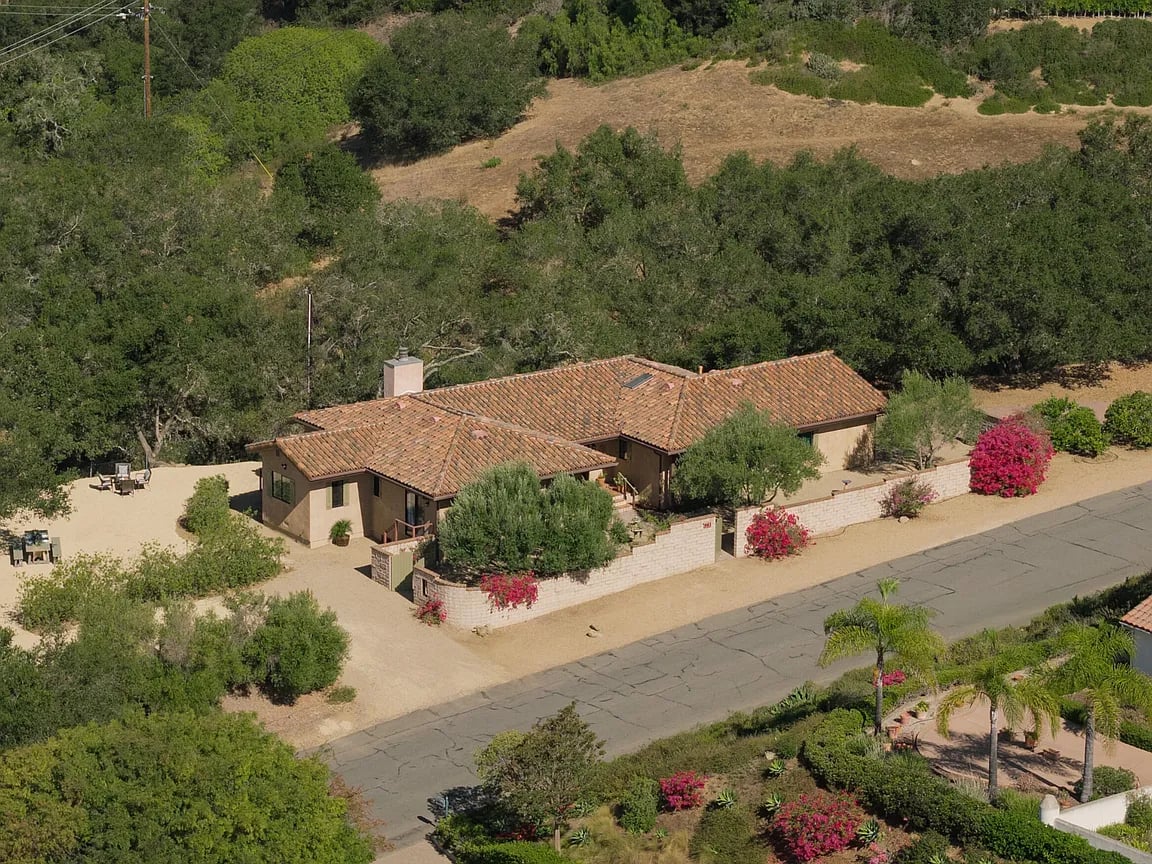
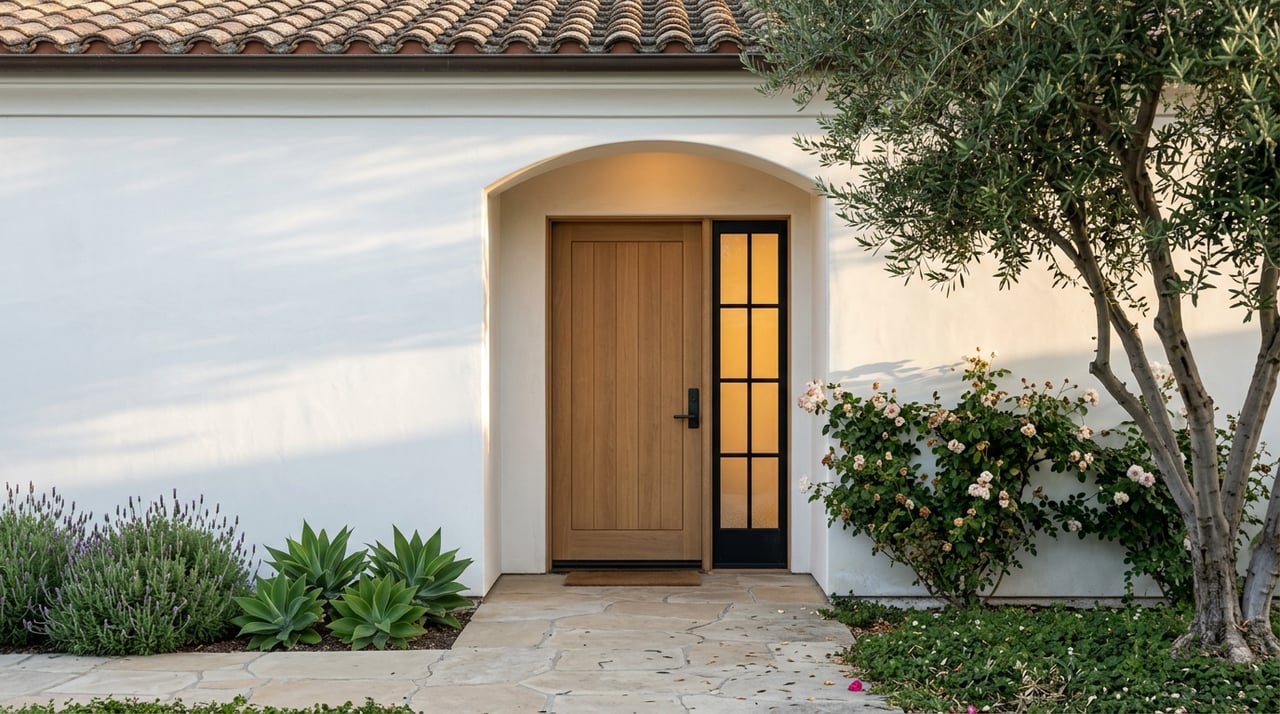
Spanish Colonial Revival and Italian Mediterranean homes are another important part of the neighborhood character. Spanish Colonial Revival homes are identified by stucco walls, red clay tile roofs, arched openings, simple rectangular or L-shaped plans, and asymmetrical facades.
These homes fit naturally into Santa Barbara’s broader architectural identity, but they still require a practical eye. Stucco condition, roof tile history, and the quality of past exterior work all matter. A home may look timeless in photos, but the real question is how well those key materials have held up.
Minimal Traditional And Early Ranch Homes
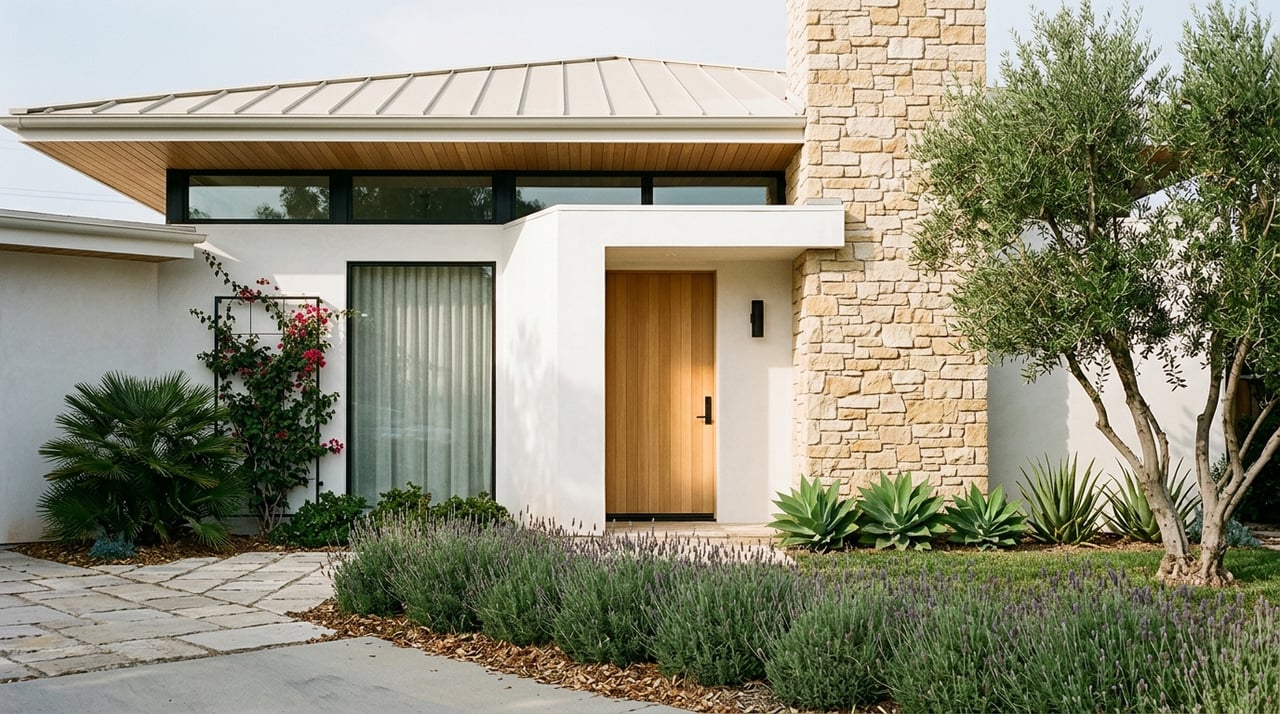
As San Roque moved into the 1930s and 1940s, many homes shifted toward simpler forms. The City notes that Minimal Traditional houses were typically small, cost-effective, and commonly one story, while Ranch homes were also one story and evolved over time.
Earlier tract Ranch homes were often built on smaller, narrower lots. Postwar Ranch homes generally moved to bigger, wider lots and more commonly included attached garages, rear lawns, patios, and pools. For buyers, these homes often offer easier circulation and simpler maintenance, but the original footprint and lot size can strongly affect what is possible later.
What Style Means For Daily Living
A home’s style is not just visual. It often gives you clues about how the house will function day to day.
Older cottages may offer character, but they can also come with tighter room sizes and more compact layouts. That traces back in part to the era in which they were built. Santa Barbara’s 1926 Better Homes competitions highlighted small houses and gardens on lots smaller than 10,000 square feet, and several San Roque homes were featured or recognized.
That history helps explain why many San Roque homes feel efficient rather than expansive. In fact, one San Roque home was specifically praised for the quality of its room arrangement in a compact layout. So if you love charm, be ready to weigh that against room size, storage, and flow.
By contrast, a postwar Ranch may give you more one-level livability and, in some cases, a better chance to expand if the lot allows it. If your priority is flexible space, aging in place, or easier indoor-outdoor living, that distinction can matter a lot.
Look Beyond Listing Photos
Listing photos can highlight the best features of any home, but in San Roque, the underlying era often tells you more than the images do. A beautifully styled cottage may still have a compact original footprint, while a simple-looking Ranch may offer better long-term flexibility.
When you evaluate a property, it helps to ask a few practical questions early:
- Is the home an original cottage, a later postwar Ranch, or a remodel of one of those forms?
- How much of the current footprint is original?
- Which parts were added later?
- Does the lot size realistically support future expansion or more outdoor living space?
- Which exterior elements appear original, and which have already been replaced?
Those answers can shape your budget, your renovation plans, and your long-term satisfaction with the property.
What Buyers Should Inspect Closely
Older San Roque homes deserve careful review of their major exterior systems and materials. Based on the City’s survey findings, buyers should pay close attention to roofs, stucco, windows, wood trim, and termite risk.
That is especially important in a neighborhood with many earlier homes and material-rich architectural styles. A home with strong character may also have more details that need ongoing care, and deferred maintenance can be costly if it stacks up over time.
Drywood termites are another practical concern in this coastal region. The research notes that they are common along the Pacific coastal region, can live deep inside wood, are often difficult to detect, and usually require professional inspection. In a neighborhood with wood trim, wood framing, or decorative wood features, that is worth taking seriously.
Planning Updates In San Roque
If you are already thinking about remodeling, expanding, or changing exterior features, it is important to separate cosmetic wishes from permit-sensitive changes. In San Roque, that step can save you time and frustration.
The City of Santa Barbara says that if a property is listed as a historic resource, the Historic Landmarks Commission reviews exterior alterations, not interior changes. The City also notes that additions are more likely to be approved when they are compatible with the neighborhood and retain essential historic features.
That means your plans may depend on more than just budget and design preference. Before you assume you can change windows, alter the facade, or add square footage, verify whether the property has a historic evaluation on file and whether exterior changes are likely to trigger review.
Historic Status And Buyer Due Diligence
The City says buyers can check the Historic Treasures map to see whether a property has an evaluation on file. It also notes that older properties not already surveyed may need evaluation before an addition, alteration, or demolition.
For you, the practical lesson is simple. If a home’s value to you depends on expansion potential or exterior redesign, check those facts early in the buying process. Do not wait until after closing to learn that your ideal project may face added review.
Qualified Historic Buildings
If a San Roque property is a qualified historic building, the City points to the California State Historical Building Code as an alternative set of regulations for repairs, alterations, additions, relocation, and continued use.
This does not automatically make every project easier or harder. It simply means the path can be different, and that is one more reason thoughtful due diligence matters when you are comparing homes with similar price points but very different architectural histories.
How To Match The Right Style To Your Goals
The best San Roque home for you is not always the most visually striking one. It is the one that matches your day-to-day needs, your maintenance comfort level, and your future plans.
If you love charm and historic details, a Tudor cottage, Craftsman, or Spanish Colonial Revival home may be the right fit. If you want easier one-level living, simpler upkeep, or a layout with more flexibility, a Minimal Traditional or Ranch home may make more sense.
A smart buying strategy in San Roque balances emotion with structure. You want to notice the details that make a home special, but also understand what those details mean for upkeep, livability, and long-term options.
When you are weighing San Roque home styles, local context matters. A knowledgeable guide can help you look past surface-level charm and focus on what will serve you best over time. If you want help comparing homes, understanding neighborhood nuance, and buying with a clear plan, connect with David Kim.
FAQs
What home styles are most common in San Roque, Santa Barbara?
- Buyers in San Roque are most likely to see English Vernacular or Tudor cottages, Craftsman homes, Spanish Colonial Revival and Italian Mediterranean homes, plus Minimal Traditional and early Ranch properties.
What does a Tudor or cottage-style San Roque home mean for buyers?
- A Tudor or cottage-style home in San Roque may offer strong charm and architectural detail, but buyers should expect steeper rooflines and exterior features that can be more maintenance-sensitive than simpler postwar homes.
What should buyers look for in older San Roque homes?
- Buyers should closely review roofs, stucco, windows, wood trim, and termite risk, since many San Roque homes date to earlier building eras and may have original or older exterior materials.
Are Ranch homes in San Roque easier to live in?
- Many Ranch homes in San Roque offer one-level living, simpler circulation, and easier maintenance, though lot size and the original footprint may still limit future additions.
Can you remodel a historic home in San Roque?
- If a San Roque property is listed as a historic resource, the City says exterior alterations are reviewed by the Historic Landmarks Commission, while interior changes are not, and compatible additions that retain essential historic features are more likely to be approved.
How can buyers check if a San Roque home has historic status?
- The City says buyers can check the Historic Treasures map to see whether a property has an evaluation on file, and some older properties may need evaluation before certain additions, alterations, or demolition work.
Why do some San Roque homes feel smaller than expected?
- Many San Roque homes were designed in earlier decades with efficient, compact layouts, and local history shows that small houses and gardens on lots under 10,000 square feet were part of the neighborhood’s early development pattern.