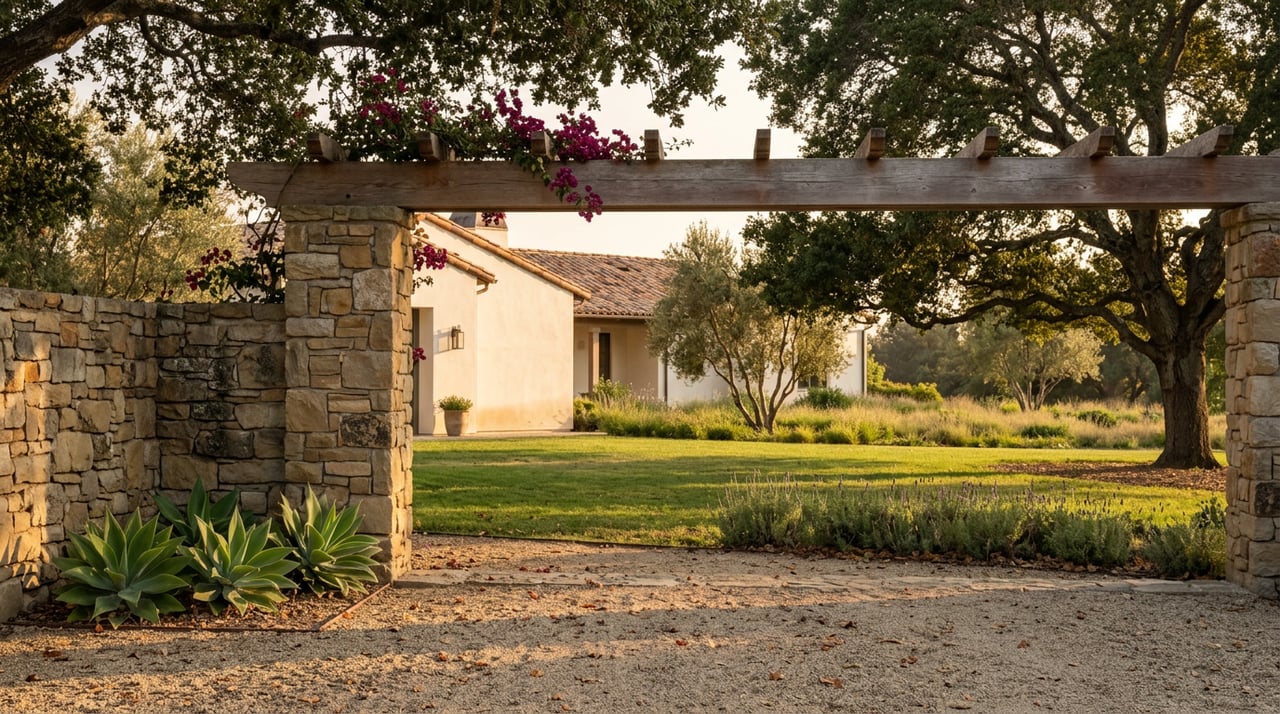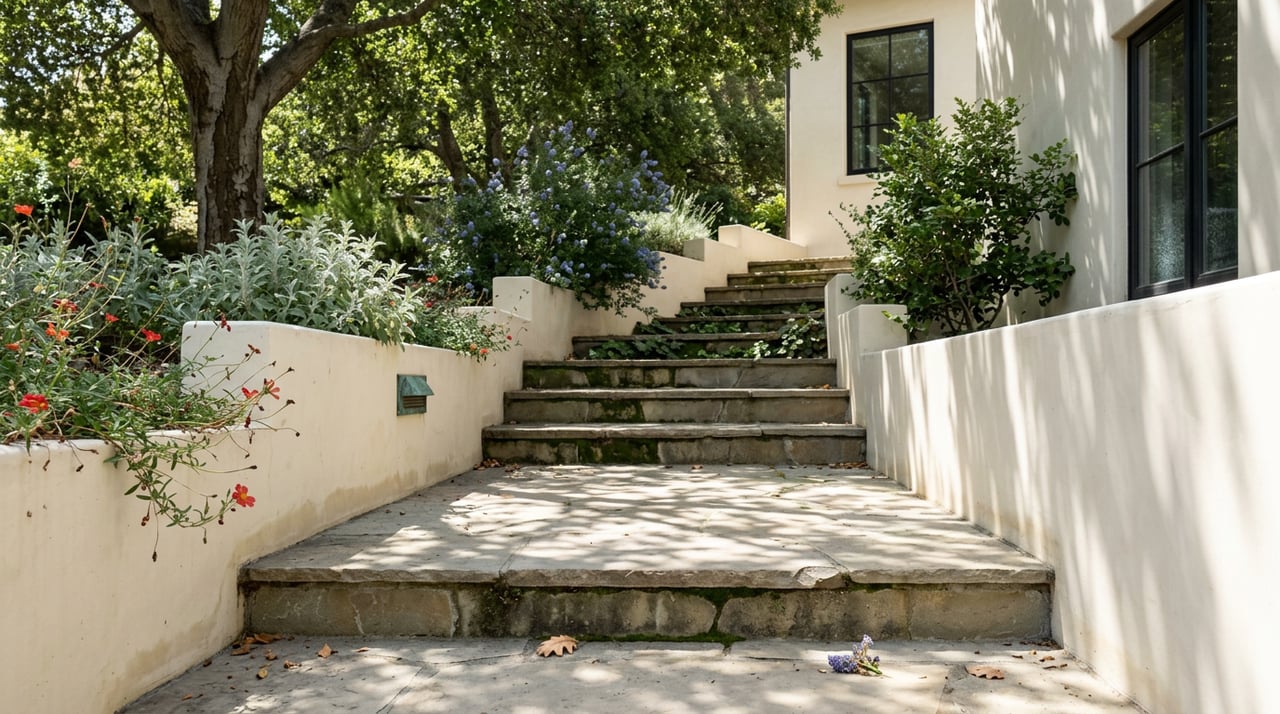
Christian and Melissa lost three acres to the Jesusita Fire. When they rebuilt, they replanted with natives instead of the landscaping that had burned, and for sixteen years that garden has been theirs alone, a private experiment that now draws bobcats, foxes, coyotes, and the occasional mountain lion across their slope. This year, for the first time, anyone can walk through it. Their property is one of at least ten private gardens opened to the public as part of the Santa Barbara Botanic Garden's centennial Home Garden Tour, an event that started as a volunteer-only perk and later expanded, cautiously, to members. This year the Garden dropped the gate for the broader community. Tickets sold out anyway.
That's the pattern worth paying attention to if you live in Mission Canyon. The Garden turning 100 in 2026 isn't just a birthday. It's the one year the institution is unlocking things it normally keeps closed, and most of what's opening won't reopen the same way once the centennial year ends.
The archive that used to live in a filing cabinet
The clearest example is the Garden's Digital Archives, which went public this year alongside its new photo exhibit, Still Growing: 100 Years of California's Native Plants. For most of the last century, the Garden's institutional history, its early field expeditions, restoration records, and internal documents, existed mainly on-site, accessible to researchers and staff. Now it's searchable online for anyone, a decision the Garden tied directly to marking its first hundred years rather than to any ongoing policy shift.
The exhibit itself, running in the Pritzlaff Conservation Center Gallery through March 21, 2027, pulls more than 200 photographs from that same archive and skips traditional wall text entirely. Visitors scan a QR code over each image to pull up its story on their phone, a choice the Garden's curator, Kevin Spracher, described as a way to keep the photographs themselves as the visual focus while still surfacing a century of research and stewardship behind them, as reported by Noozhawk.
None of this required a special trip. Admission to the exhibit is included with regular Garden admission, which runs $23 for adults and $18 for seniors 60 and up, with reservations bookable up to three months out, per the Garden's visitor information. If you've been putting off a walk through the 78 acres because you've "already seen it," this is the version of the Garden you haven't seen: the one with its own history laid bare instead of tucked behind a research desk.
What's still ahead this season
The centennial calendar front-loaded some of its biggest moments earlier in the year. The Beer Garden fundraiser on March 14 sold out its 400 tickets in record time, and the annual Conservation Symposium honored entomologist Doug Tallamy as part of the centennial celebration. Those have passed. But the back half of the centennial year still has real, walkable programming worth putting on the calendar:
| Date | Event | What it is |
|---|---|---|
| Aug. 19, 2026 | Senior Day | Complimentary admission for visitors 60 and older |
| Sept. 1, 2026 | Guided bird walk | Morning walk through the Garden led by birding expert Rebecca Coulter |
| Sept. 12, 2026 | Fire-resilient landscaping workshop | Half-day session with Santa Barbara County on maintaining defensible, native-friendly yards |
| Sept. 26, 2026 | Santa Barbara Creek Week | Garden program on the ecology of Mission Creek and the region's waterways |
None of these are one-time centennial exclusives the way the Home Garden Tour was. But they're the kind of programming that tends to get crowded out of a resident's mental map of the Garden, which usually defaults to "trails and wildflowers" and stops there. The Garden's own event calendar lists these alongside a steady run of plein air painting sessions and native plant meetups at Elings Park, part of a yearlong series that's easy to miss if you only think of the Garden as a place on Mission Canyon Road rather than a program running across the city.
The other institution hiding in plain sight
The Garden isn't the only piece of Mission Canyon history that's been quietly formalized in recent years. A short walk down the road, Rocky Nook Park has spent most of its life as the neighborhood's default picnic spot, the place with the oak trees, the sandstone boulders kids climb on, and the creek that runs cool even in August. Fewer people know its original name. Long before the county acquired it, the Chumash called the land "Xana'yan," meaning "Rocky," a name that predates the park's more recent English one by generations, according to reporting in the Santa Barbara Independent.
The county's own listing puts the park at 19 acres along Mission Creek, and its built history is more layered than a typical neighborhood park. Frances Oliver, who owned the land with her husband starting in 1881, had a drinking fountain built there in 1910 for both people and animals, a memorial to her late husband that still stands. The Caretaker's Cottage dates to 1931. The County Board of Supervisors eventually recognized the whole property as a historic landmark, a designation that means any future changes beyond routine upkeep now go through formal historical review.
That designation doesn't change what the park feels like on a Sunday afternoon. It does mean the shade, the boulders, and the creek sound you've been taking for granted are protected in a way most neighborhood parks aren't, which is worth knowing the next time you're setting up a picnic table under one of those oaks.
The hike that starts a quarter mile from the Garden
If Rocky Nook is the low-effort version of a Mission Canyon weekend, Tunnel Trail is the one that actually gets your heart rate up. The trailhead sits about three-quarters of a mile up Tunnel Road and climbs toward Gibraltar Road, with the popular Inspiration Point split heading west along the way, according to the Santa Barbara Parks and Recreation trail page. The Inspiration Point route itself runs about 3.4 to 3.75 miles round trip depending on which fork you take, with roughly 900 feet of elevation gain, enough to earn the ocean and Channel Islands view at the top without turning into an all-day commitment.
There's no fee, no permit, and dogs are welcome on leash, but there's also no bathroom, no water source, and no trash collection along the way, so it's worth planning around what you carry in and out. One detail locals rarely think to ask about: the white-painted parking lines along Tunnel Road aren't just tidiness. They keep the lane clear for fire trucks, since the corridor doubles as an access route during evacuations. It's a small piece of infrastructure logic that explains a rule most residents follow without ever being told why.
What this actually means for the neighborhood
None of this is really about real estate, and it shouldn't be. But there's a version of local knowledge that only comes from paying attention over time, and this year is a useful reminder that Mission Canyon's institutions aren't static. The Garden that's been quietly running research programs since 1926, the park that's been informally beloved since the 1880s, the trail that's been someone's Sunday ritual for decades: all three just had a moment where something normally private or overlooked became visible. That's worth noticing whether or not you ever plan to sell a house here.
If you're curious what a centennial year like this one, or any shift in how a neighborhood's landmarks are recognized, tends to mean for home values in the canyon, the team at David Kim Group tracks that kind of local detail closely. Reach out anytime for a free home valuation, or just to talk about what's changing in the neighborhood you already call home.