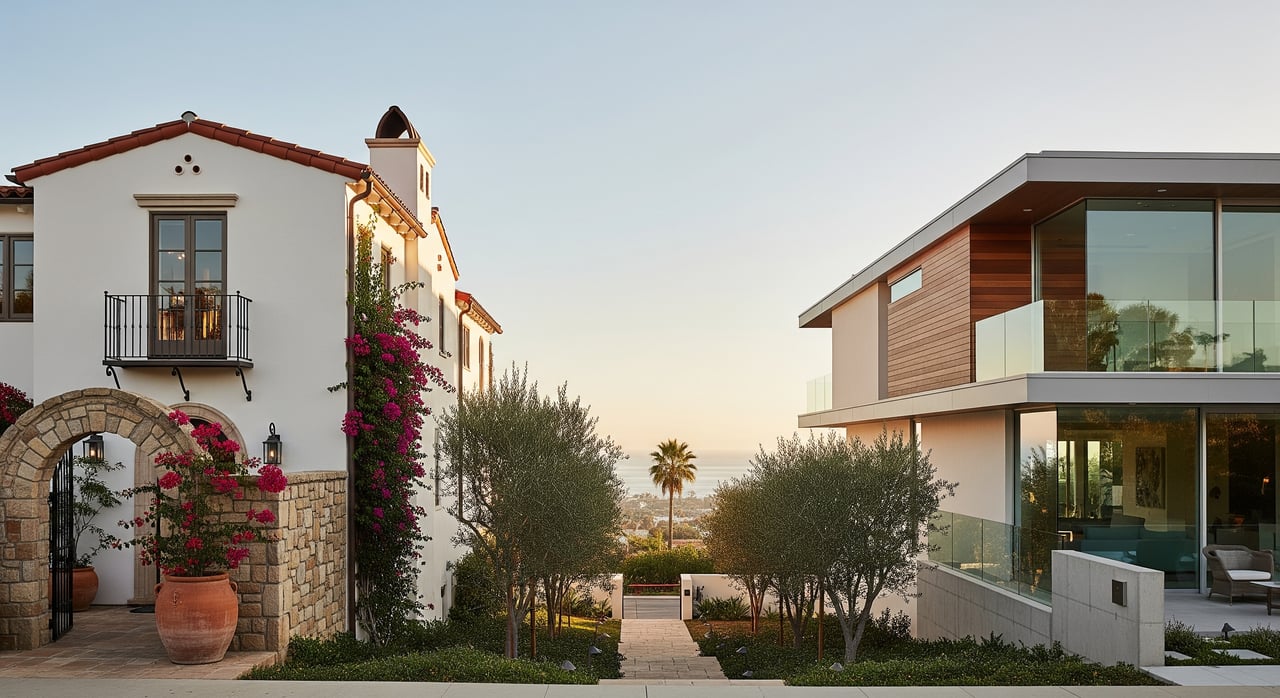
Is your heart set on classic Santa Barbara charm, or do you picture walls of glass framing endless ocean and city views? On the Riviera, you can have either. Spanish Colonial Revival and contemporary homes both shine here, and each brings its own lifestyle, upkeep, and value story. In this guide, you’ll learn how these styles differ, how the hillside setting shapes design, and what to consider when you buy or sell on the Riviera. Let’s dive in.
Spanish Colonial Revival at a glance
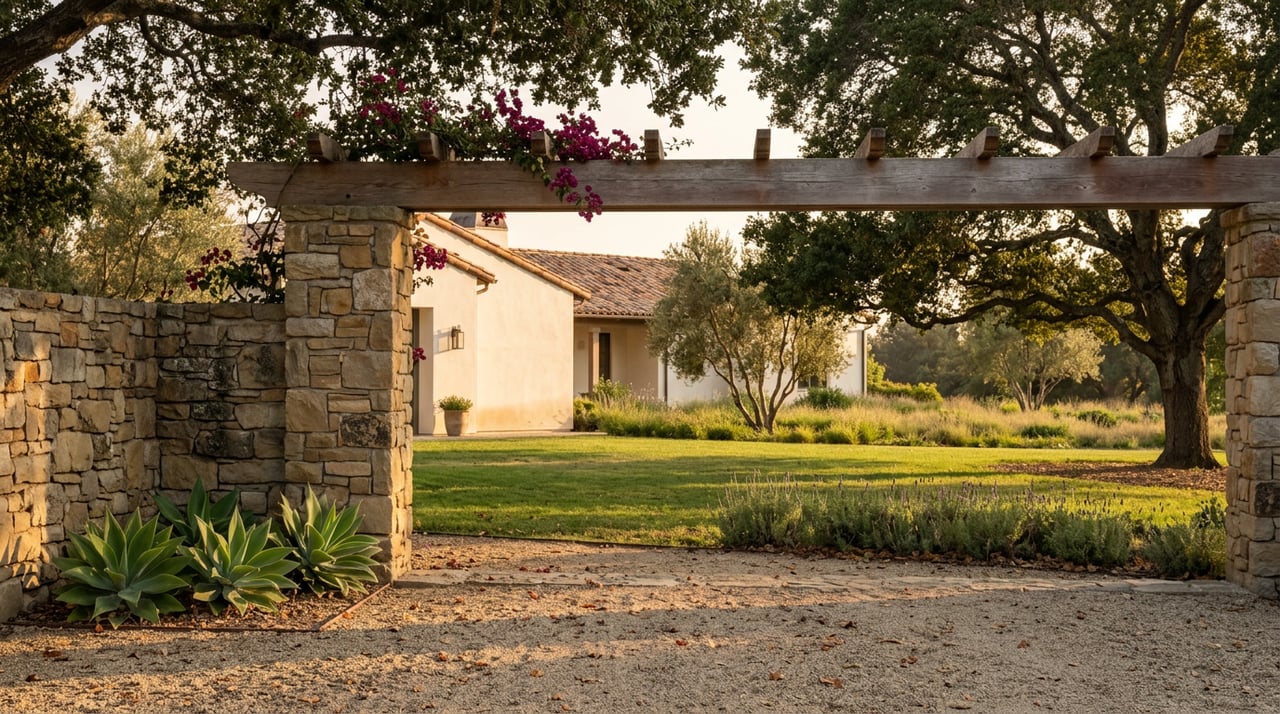
Spanish Colonial Revival is part of Santa Barbara’s visual DNA. Many Riviera examples date from the 1910s to the 1940s, with later builds that honor the look. You’ll find thick stucco walls, clay tile roofs, and intimate courtyards that feel tailor-made for the area’s Mediterranean climate.
Key exterior features
- Red or terra-cotta clay barrel tile roofs with modest overhangs.
- Smooth or textured stucco in white or warm earth tones.
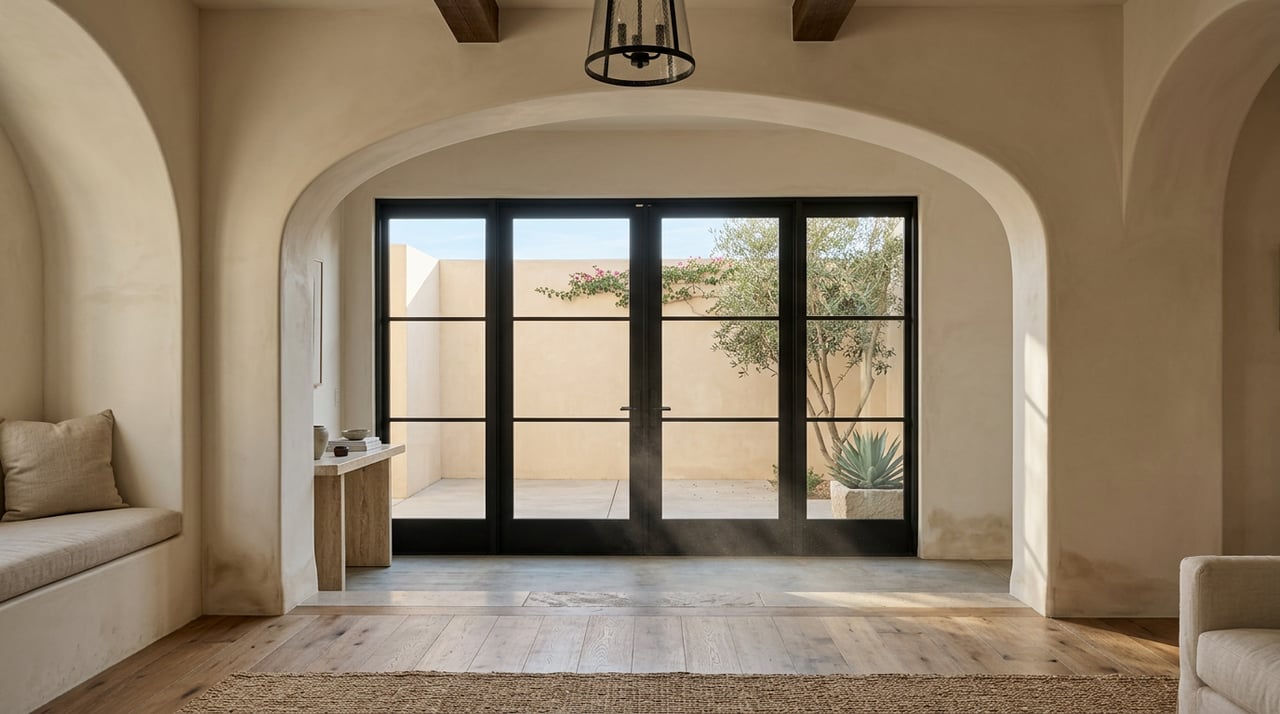
- Arched entries and windows, decorative iron grilles and railings, and carved wood doors.
- Courtyards, loggias, and covered patios that extend living space outside.
- Smaller, recessed windows that create shade and solar comfort.
Floorplans and flow
Spanish Revival plans tend to be more compartmentalized. You’ll often see defined living and dining rooms with a separate kitchen, all connected by hallways and courtyard transitions. One or two stories are most common, and the outdoor rooms are designed for privacy and relaxed entertaining rather than one large open great room.
Materials and construction
Classic builds rely on wood framing with a stucco finish, sometimes with older lathe and plaster inside. Clay tile roofs sit on heavy framing, so the structure must carry that weight. Inside, expect plaster walls, decorative tile, wrought iron, and exposed or faux beams.
Maintenance and common issues
- Stucco is durable, but cracks and improper drainage can hide moisture. Moisture testing helps catch issues early.
- Clay tiles last for decades. The underlayment and flashing usually need periodic replacement and careful inspection, especially with seismic and fire-resistive upgrades in mind.
- Original wood windows and doors may need restoration to prevent rot and improve energy performance.
- Restoration work can be specialized. Matching historic plaster, tile, and ironwork adds time and cost.
Renovation considerations
Well-executed, period-correct restoration can boost appeal for buyers who want authenticity. Many owners successfully add modern systems, insulation, and seismic improvements while preserving key character. If a home is a designated historic resource or sits in a protected area, be prepared for design review that can limit exterior changes.
Contemporary Riviera homes explained
Contemporary design on the Riviera ranges from California modern to hillside minimalism. Most are custom or thoughtfully designed to capture the setting’s ocean, city, and mountain panoramas. Expect clean lines, generous glazing, and indoor-outdoor living that leans into the views.
Key exterior features
- Flat or low-slope roofs and simple geometric forms.
- Large expanses of glass, metal or wood siding, minimalist stucco, and exposed concrete.
- Sliding glass walls, corner windows, and clerestories that flood interiors with light.
- Expansive decks, balconies, and terraces that extend living areas.
Floorplans and flow
Open plans are the hallmark. Kitchens, dining areas, and living spaces connect into one flexible zone, often oriented to the best view lines. On steeper lots, multi-level plans place public rooms toward the view with bedrooms tucked behind or below. Many include home offices, media rooms, and wellness spaces.
Materials and structure
You’ll see wood framing paired with modern cladding, structural steel, engineered glazing systems, and concrete for foundations and retaining walls. On steep sites, engineered retaining systems, deep foundations, and occasional cantilevers are common to address slope and maximize outlooks.
Maintenance and common issues
- Glass needs regular cleaning and periodic seal inspections. Shading and glazing performance matter for comfort and energy use.
- Flat roofs require strong waterproofing and drainage. Standing water and membrane failures can lead to issues if details are not correct.
- Metal elements need corrosion protection in marine-influenced air. Flashings and connections should be checked routinely.
- Integrated HVAC and ventilation systems perform best with regular service.
Upgrade pathways
Contemporary homes are often easier to upgrade with new mechanicals, insulation, or windows. Enlarging openings or changing facades may still require city design review, and any changes that affect neighbors’ privacy, light, or glare should be carefully planned.
Hillside realities that shape both styles
The Riviera’s steep slopes and view premiums influence how homes are designed, built, and maintained. Many lots need retaining walls, engineered foundations, and careful drainage to manage runoff. Geotechnical reports are standard for new builds and major additions.
Wildfire exposure is a fact of life in the foothills. Fire-hardening materials, ember-resistant vents, and defensible space are smart for safety and can affect insurance and financing. Seismic design also matters. Older homes often need structural upgrades during remodels, such as bolting and cripple wall bracing.
In the City of Santa Barbara, exterior changes typically go through planning and design review. Depending on location, coastal zone and hillside development rules may apply, and historic resources are subject to additional standards. Early conversations with city staff can save time and surprises.
Style, value, and buyer demand on the Riviera
Views, privacy, lot quality, and condition are top drivers of value. Architectural style still matters because it shapes emotional appeal and market fit. Here is how each tends to play in the Riviera market:
- Spanish Colonial Revival appeals to buyers who want Santa Barbara character. Period-correct details and cohesive streetscapes can command a premium.
- Contemporary homes that deliver seamless indoor-outdoor flow and panoramic views can draw strong interest and high pricing, especially when finish quality and siting are excellent.
- Function and condition influence value more than style alone. Updated kitchens and baths, efficient systems, and good access add confidence for buyers.
Both styles share hillside-specific costs. Retaining wall upkeep, drainage management, and structural inspections are ongoing realities. Many buyers will pay more for a well-engineered home that addresses these challenges up front.
What to inspect before you buy
Use a Riviera-specific due diligence checklist. Your goal is to confirm structural performance, weather resistance, and long-term maintenance needs.
- Structural and geotechnical: hillside geotechnical report, foundation condition, and retaining wall assessments.
- Roof and exterior envelope: clay tile and underlayment condition, stucco moisture testing on older Spanish homes, and all flashings and chimney connections.
- Seismic retrofits: look for bolting, cripple wall bracing, and foundation anchorage on older properties.
- Mechanical, electrical, plumbing: system age and capacity, panel size, and compatibility with modern appliances and HVAC.
- Pest and wood rot: termite inspection and a careful look at older wood elements.
- Wildfire hardening: roof class, ember-resistant features, and defensible space.
- Energy and glazing: window performance, shading, insulation, and ventilation.
Smart upgrades by style
Strategic improvements make living easier and support resale.
For Spanish Colonial Revival
- Seismic strengthening and improved drainage.
- Roof underlayment replacement and flashing upgrades under clay tiles.
- Stucco repair with moisture management and proper weeps.
- Restoration of wood windows and doors, or high-performance replacements that match the original look.
- Discreet insulation and HVAC improvements to boost comfort without changing character.
For Contemporary
- Flat roof membrane upgrades and improved drainage details.
- High-performance glazing, shading, and air sealing for comfort and energy savings.
- Corrosion protection on metal elements and meticulous flashing.
- Modern HVAC, solar PV, and battery storage where feasible.
- Smart-home and lighting controls tied to indoor-outdoor living.
Selling strategy: how to present each style
Your listing should highlight the strengths the target buyer values most.
- Spanish Colonial Revival: showcase original tile, ironwork, plaster, arches, and courtyards. Provide documentation of maintenance and any restoration or system upgrades to help buyers trust the envelope and roof.
- Contemporary: emphasize light, views, and flow between interior and exterior. Spotlight glazing quality, roofing, and mechanical upgrades that reduce upkeep and improve efficiency.
Clear disclosures on geotechnical work, structural upgrades, wildfire-hardening, and drainage reassure Riviera buyers and can shorten negotiations.
Which style fits your lifestyle?
Ask yourself how you like to live day to day, and how much maintenance you want to manage.
- Choose Spanish Colonial Revival if you love timeless Santa Barbara character, intimate courtyards, and formal spaces. Plan for careful envelope maintenance and period-minded upgrades.
- Choose Contemporary if you want open plans, big glass, and easy flow to decks and terraces. Budget for flat roof care, glass maintenance, and periodic mechanical servicing.
- Either style works if you prioritize views, privacy, and a well-engineered hillside design. In many cases, site quality and condition win over style.
Ready to weigh your options?
Whether you are comparing a classic 1930s Spanish with a courtyard or a custom modern perched on caissons, the right plan starts with clear due diligence and a strategy that fits the Riviera’s hillside realities. If you want tailored guidance on inspections, upgrades, pricing, and presentation, let’s talk. Connect with David Kim to map your next step or get your free home valuation.
FAQs
What defines Spanish Colonial Revival on the Riviera?
- Thick stucco walls, red clay tile roofs, arched openings, decorative ironwork, and inward-facing courtyards that suit Santa Barbara’s Mediterranean climate.
What maintenance should I expect with a contemporary flat roof?
- Regular inspections for waterproofing and drainage, prompt attention to ponding, and periodic membrane maintenance or replacement to prevent leaks.
How does Santa Barbara’s design review affect remodeling?
- Exterior changes often require planning and design review, with added standards for hillside or historic properties, so early coordination helps streamline approvals.
Are Spanish Revival homes less energy efficient than contemporary builds?
- Not necessarily; upgrades like insulation, high-performance windows, and modern HVAC can improve comfort while preserving historic character.
What inspections are essential for Riviera hillside homes?
- A geotechnical report, foundation and retaining wall assessments, roof and stucco envelope review, seismic retrofit evaluation, wildfire-hardening check, and full MEP and pest inspections.