If you are drawn to the idea of walking to coffee, dinner, galleries, and the waterfront shuttle instead of planning your day around the car, downtown Santa Barbara may feel like a natural fit. Buying here is less about square footage and more about lifestyle, convenience, and being in the middle of one of the city’s most active and historic districts. In this overview, you will get a practical look at housing types, price context, daily living, and what to check before you make an offer. Let’s dive in.
What downtown Santa Barbara feels like
Downtown Santa Barbara is a compact, mixed-use core centered on State Street. The Downtown Santa Barbara Community Benefit Improvement District generally places the district between Micheltorena and Gutierrez, and from Anacapa to Chapala, while the City views the area as part of a long-term planning effort to create a livelier, safer, and more vibrant urban place over the next 20 to 30 years.
That matters as a buyer because downtown is not a static neighborhood. It is an established central district with historic character, everyday convenience, and an active public realm that may continue to evolve over time. If you want a home in the middle of that energy, downtown offers a very different experience from more suburban parts of Santa Barbara.
Housing types you can expect
Downtown zoning and land use help explain why the housing mix feels different here. City planning documents describe much of the area as Commercial/High Density Residential, with base density of 28 to 36 dwelling units per acre, and note that downtown zoning is primarily C-G, which allows residential, commercial, and industrial development.
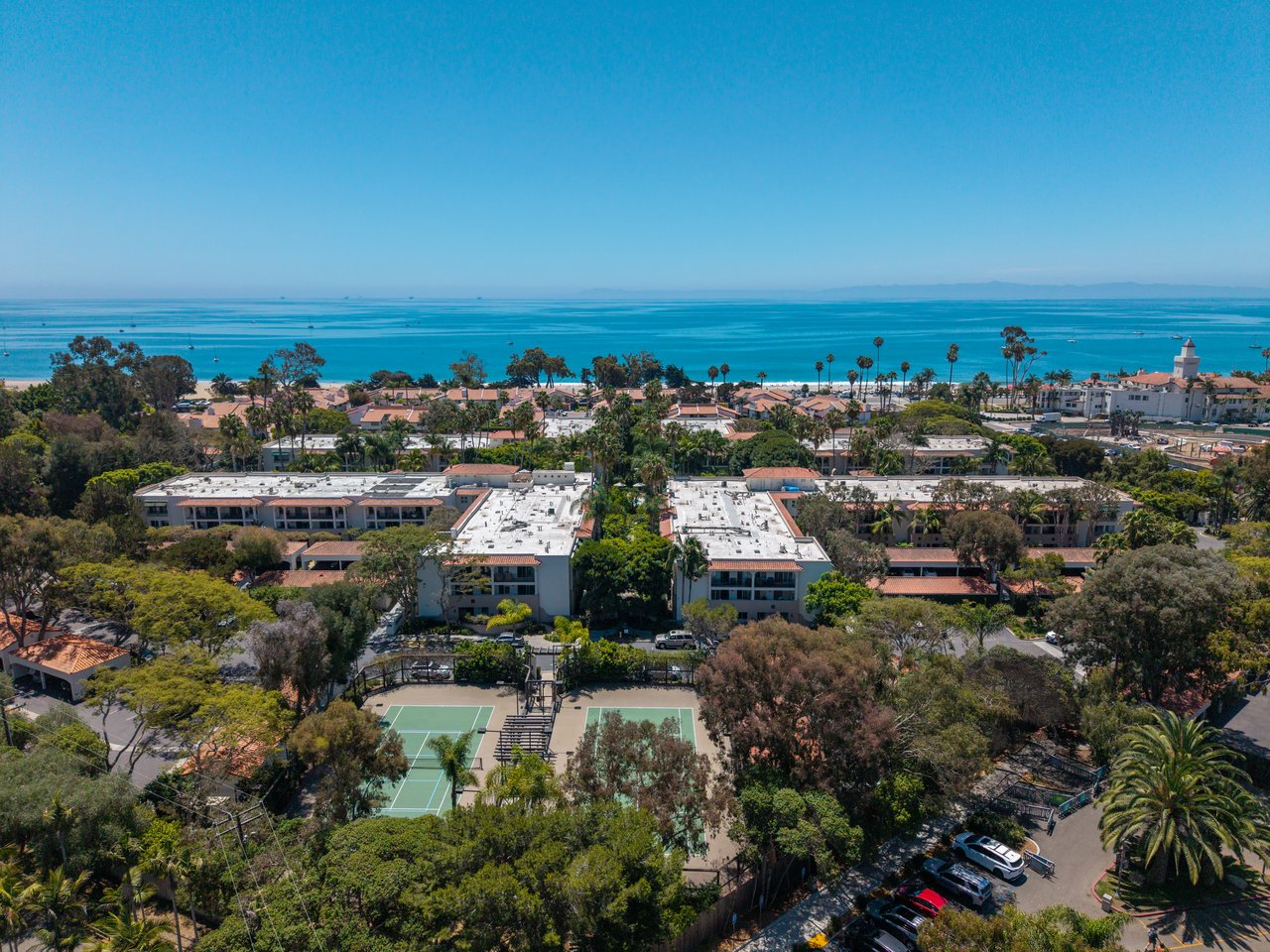
In practical terms, that usually means you will see more condos, apartments, loft-style homes, and attached residences than large-lot single-family properties. The active 93101 inventory supports that pattern, with examples ranging from one-bedroom and two-bedroom units to some central single-family and small multifamily properties.
For many buyers, that housing mix is part of the appeal. You may be trading yard space for a more low-maintenance setup, a central location, and easier lock-and-leave ownership.
Architecture adds to the appeal
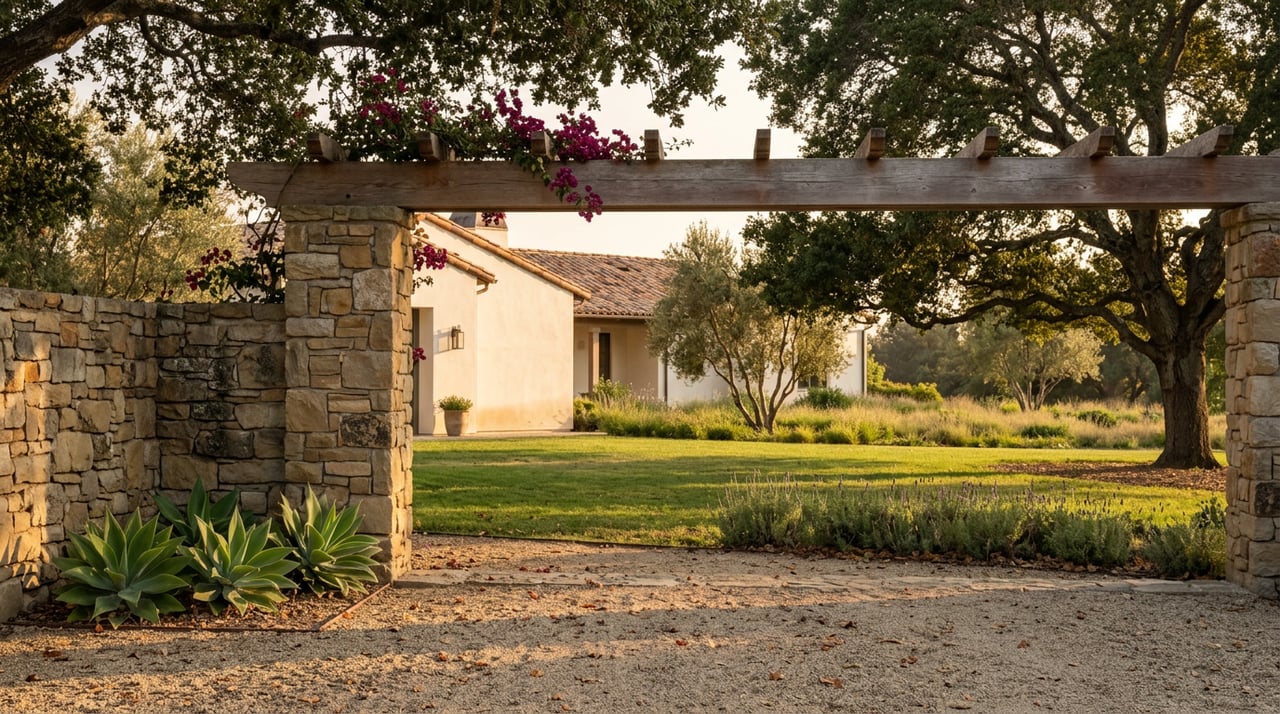
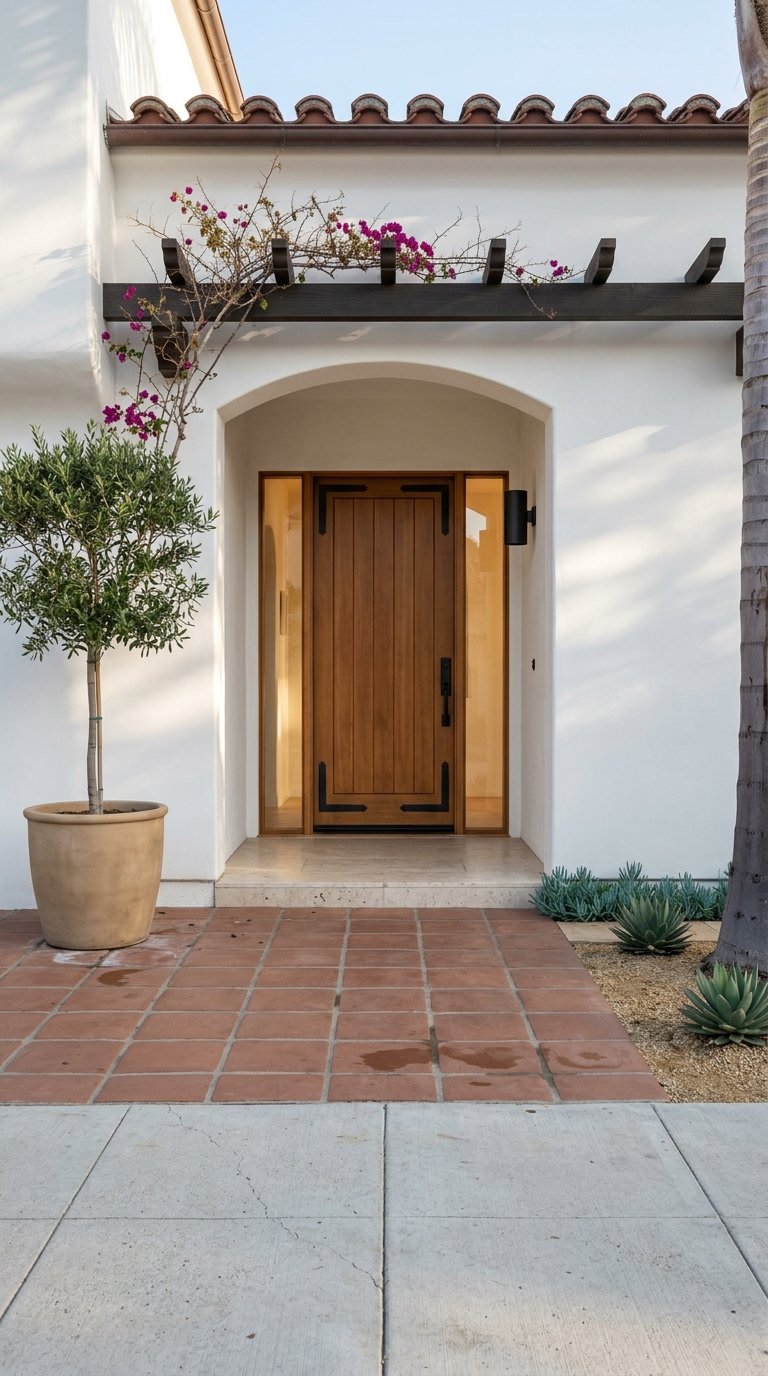
Downtown Santa Barbara stands out for its architecture. The City says the business district is defined by Spanish Colonial Revival and Mediterranean Revival buildings, while nearby residential areas also include Victorian, period revival, and Craftsman styles.
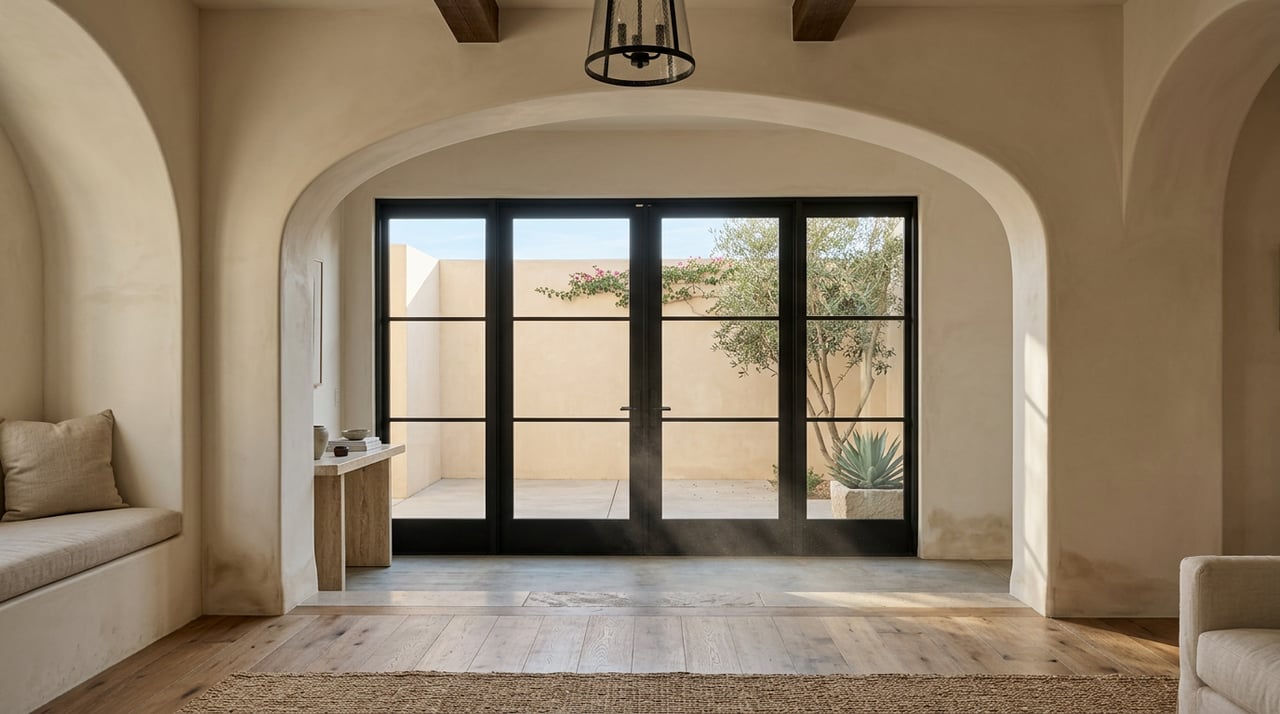
As you walk downtown, that design character shows up in red-tile roofs, stucco facades, archways, and details that make the area feel distinctly Santa Barbara. For buyers, that architectural consistency can be part of what makes downtown living feel special rather than simply convenient.
Price context for downtown buyers
Downtown Santa Barbara sits firmly in premium price territory. Using 93101 as a practical proxy for the downtown core and nearby central blocks, Realtor.com reports 44 homes for sale with a median listing price of $1.772 million, while Redfin’s Downtown Santa Barbara neighborhood page shows a median sale price of $2.27 million.
Because those figures come from different sources and methodologies, it is best to treat them as directional rather than exact side-by-side comparisons. Still, the takeaway is clear: if you are shopping downtown, you are entering a market where location, walkability, and architectural setting carry significant value.
Why buyers choose downtown
For the right buyer, downtown offers a lifestyle that is hard to duplicate elsewhere in Santa Barbara. The district is built around a pedestrian-friendly experience, and both the City and downtown business district emphasize walking, biking, transit, dining, and cultural activity as central parts of daily life.
That can be especially appealing if you want to simplify. Instead of spending weekends on home maintenance or long drives across town, you may prefer a home base that puts restaurants, coffee shops, theaters, museums, and errands much closer together.
Downtown can also work well if you want a second home or downsizing option that feels active and connected. The housing stock and urban layout support a more compact, low-maintenance ownership experience.
Walkability and getting around
One of downtown’s biggest strengths is how easy it is to navigate on foot. The district is known for walkable dining and shopping, and the City’s State Street planning continues to focus on pedestrian priority, biking, and transit.
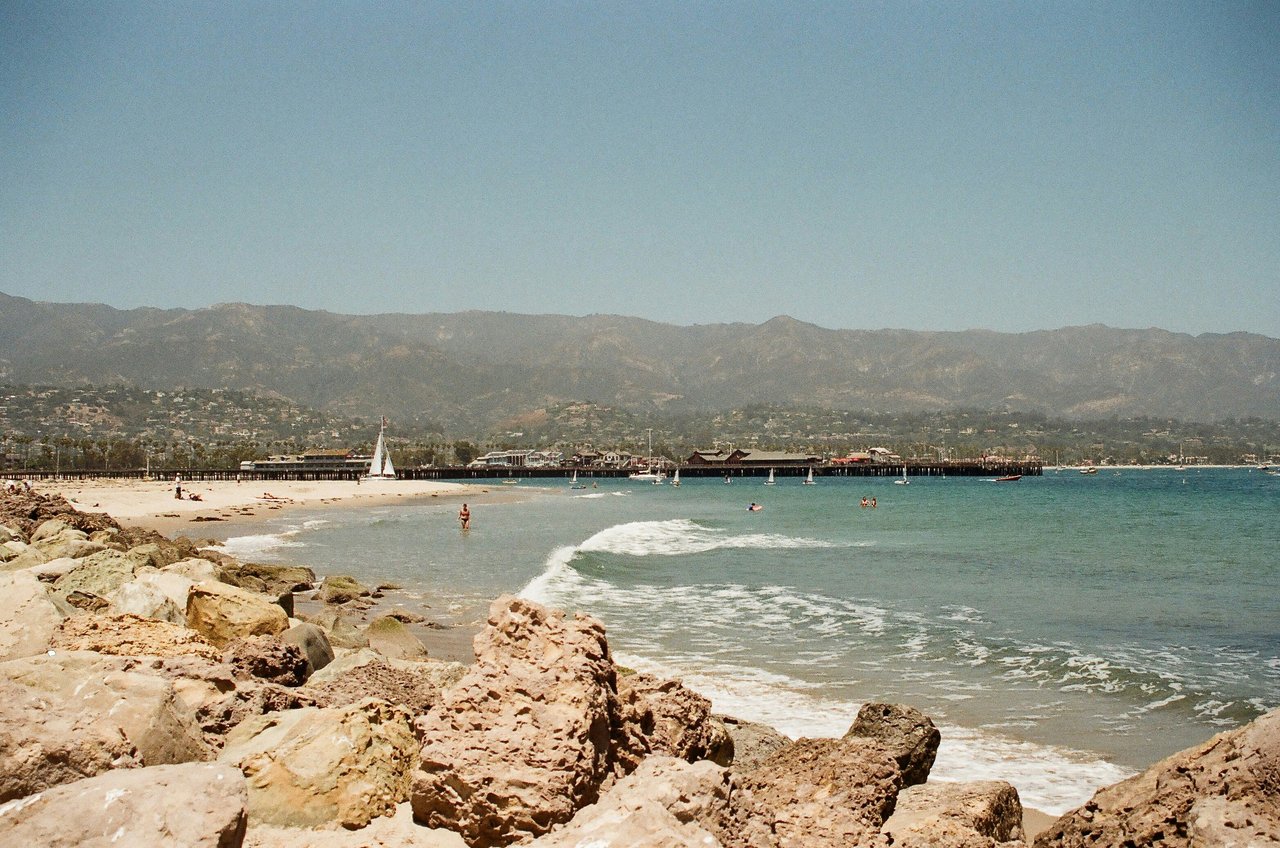
There is also a useful connection between downtown and the waterfront. According to Santa Barbara MTD’s 2026 summer schedule, the Downtown-Waterfront Shuttle runs Friday through Sunday every 20 minutes and connects Downtown, Amtrak, Cabrillo Boulevard, the Santa Barbara Zoo, and the Harbor.
If you like the idea of beach access and coastal outings without driving every time, that is a meaningful lifestyle feature. It adds flexibility to daily life, especially if your goal is to keep car use to a minimum.
Parking is workable, but important
Parking in downtown Santa Barbara is manageable, but you should treat it as a key part of your home search. The City maintains 10 downtown parking lots and 5 structures with more than 3,000 stalls, and those facilities serve more than five million vehicles each year.
The City notes that gated lots offer the first 75 minutes free, and it also manages residential permit areas in the downtown core. At the same time, street parking rules and restrictions, including limitations on oversized vehicles on narrow historic streets, mean not every block or property will function the same way.
Before you write an offer, confirm exactly what comes with the property. Ask about deeded spaces, assigned spaces, guest parking, permit availability, and any building or street parking limitations that could affect your day-to-day use.
Dining and culture are part of daily life
Downtown is more than a place to sleep near State Street. It is one of Santa Barbara’s most concentrated areas for dining, arts, and cultural venues.
The downtown business district highlights a wide dining mix, including seafood, Mexican cuisine, farm-to-table restaurants, tasting rooms, patios, quick bites, and coffee and pastry spots. It also points to Michelin-recognized dining and the local taco trail, which gives you a sense of how varied the food scene is within a relatively compact area.
On the cultural side, the district includes venues and institutions such as The Granada Theatre, Lobero Theatre, Santa Barbara Museum of Art, MOXI, Museum of Contemporary Art Santa Barbara, Santa Barbara Historical Museum, the public library, the symphony, and numerous galleries. For buyers, that means downtown living can offer built-in options for evenings, weekends, and visiting guests without needing to leave the neighborhood.
Who downtown fits best
Downtown Santa Barbara tends to fit buyers who value convenience, walkability, and low-maintenance living. Based on the housing mix, density, transit options, and amenity pattern, it can be a strong match for downsizers, professionals, and second-home buyers who prioritize lock-and-leave ease over private outdoor space.
It may be less ideal if you want a large yard, abundant unrestricted parking, or a quieter suburban setting. Downtown’s density, parking framework, and active street life create a different set of tradeoffs than a more residential neighborhood.
That does not make one choice better than another. It simply means the best purchase is the one that matches how you actually want to live day to day.
What to review before making an offer
Downtown purchases often require a little more property-specific homework. Along with the usual inspections and disclosures, buyers should pay close attention to how the building and location support their lifestyle.
Here are a few smart items to verify before moving forward:
- Parking rights and whether spaces are deeded, assigned, or permit-based
- Storage availability for bikes, seasonal items, or beach gear
- Building rules that may affect day-to-day use
- The exact ownership format, especially if you are comparing condos, townhome-style units, or other attached housing
- Whether the property may be affected by the ongoing State Street Master Plan and future public-realm changes
Because the State Street Master Plan is still an active long-term visioning effort, access, streetscape, and surrounding public spaces may continue to evolve. A local, property-level review can help you understand what that may mean for a specific block or building.
A smart way to shop downtown
The most successful downtown buyers usually start with lifestyle clarity, not just a bedroom count. Think about how often you want to walk to dinner, whether one parking space is enough, how important an elevator or secure entry may be, and whether you want a true lock-and-leave setup.
From there, compare homes through that lens. A smaller property in the right location may deliver more day-to-day value than a larger home that does not support the way you want to live.
If you are considering downtown Santa Barbara, having a hyper-local guide matters. The details that shape a good purchase here are often not just about price, but about fit, block-by-block context, and how a property functions in real life.
When you are ready to explore downtown Santa Barbara with clear local guidance, connect with David Kim for tailored buyer support and insight on finding the right fit for your lifestyle.
FAQs
What types of homes are most common in downtown Santa Barbara?
- Downtown Santa Barbara most often offers higher-density housing such as condos, apartments, loft-style units, and attached homes, with some central single-family and small multifamily properties also in the mix.
What is the price range like for downtown Santa Barbara homes?
- As directional market context, 93101 had a median listing price of $1.772 million on Realtor.com, while Redfin reported a median downtown sale price of $2.27 million, showing that the area sits in premium price territory.
Is downtown Santa Barbara walkable for daily living?
- Yes. Downtown is designed around a pedestrian-friendly experience, with walkable dining and shopping, plus planning focused on walking, biking, and transit.
How does parking work in downtown Santa Barbara?
- The City operates 10 downtown parking lots and 5 structures with more than 3,000 stalls, but buyers should still verify a property’s specific parking arrangement, permit options, and any restrictions before making an offer.
Who is downtown Santa Barbara best suited for?
- Downtown often fits buyers who want low-maintenance ownership, walkable access to dining and cultural venues, and a more compact urban lifestyle rather than a large yard or suburban setting.